Teaching tips, tools, and ideas.
Short reads on phonics, math fluency, AAC, sight words, and the small classroom decisions that quietly add up.
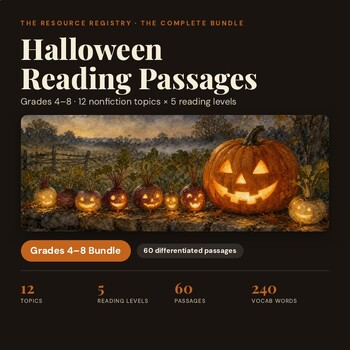
Halloween close reading that isn't a coloring page (Grades 4–8)
Halloween is the rare seasonal week older students actually want. How to use Halloween nonfiction for real close reading in Grades 4–8 — high-interest, on grade, not babyish.
Read the post →-
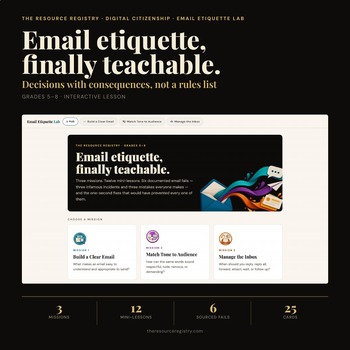 Read →Digital Citizenship · 5–8 · September 11, 2026
Teaching email etiquette and digital citizenship (Grades 5–8)
Middle schoolers live online but were never taught how to act there — email etiquette, digital footprint, and internet safety, taught with real scenarios.
-
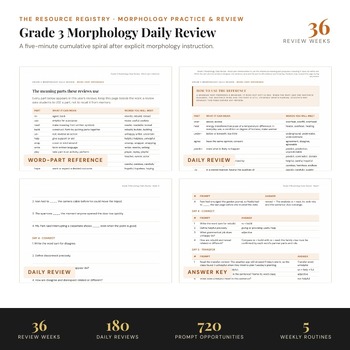 Read →Vocabulary · ELA · September 4, 2026
A 5-minute daily morphology routine (Grades 3–6)
Nobody has a spare block for morphology — good news: it doesn't want one. Five minutes of morning work, most days, all year beats one big unit.
-
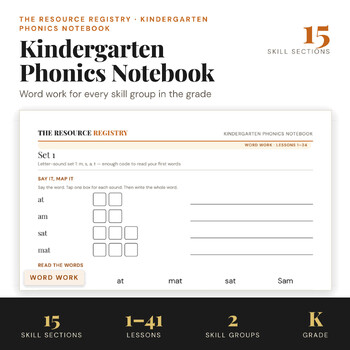 Read →Phonics · K–2 · August 28, 2026
The companions that save the prep if your class uses UFLI Foundations
A scripted program tells you what to teach. It doesn't print the notebook, the decodable, or the mastery check — that part still lands on your desk.
-
 Read →Reading · ELA · August 21, 2026
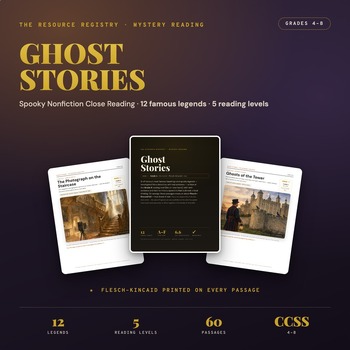
Ghost stories for close reading: passages Grades 4–8 will finish
A ghost story gets students to read every word — then asking 'but is it true?' turns that attention into the most useful reading skill there is: weighing evidence.
-
 Read →Reading · Intervention · August 14, 2026
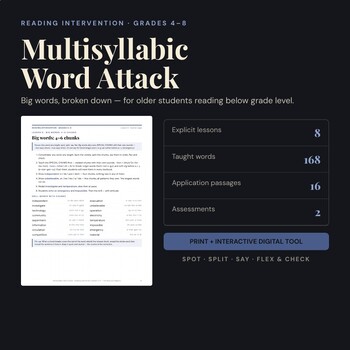
When older students still can't decode long words (Grades 4–8)
A seventh grader who reads short words fine but guesses at 'representative' doesn't have a comprehension problem — they have a decoding problem nobody caught.
-
 Read →Handwriting · K · August 7, 2026
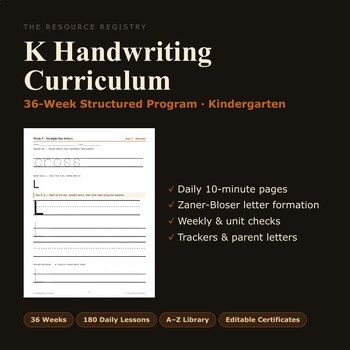
Kindergarten handwriting: a letter-formation routine that sticks
In kindergarten, how a letter is formed matters more than how it looks — and it's the part that's hard to fix later. A simple routine that actually sticks.
-
 Read →Reading · ELA · July 31, 2026
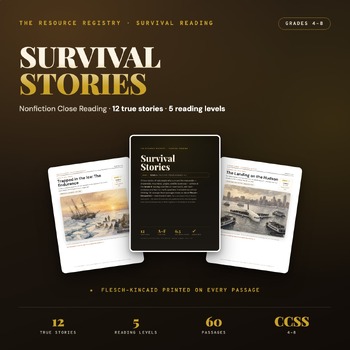
Survival stories that get reluctant readers to finish (Grades 4–8)
A student who 'hates reading' will read a whole page about a climber trapped under a boulder. The problem was never reading — it was the passage.
-
 Read →Vocabulary · ELA · July 24, 2026
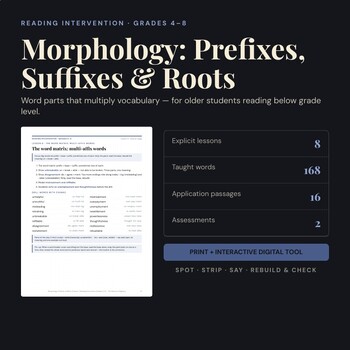
Teaching morphology: prefixes, suffixes, and roots (Grades 4–8)
By fourth grade, the vocabulary gap isn't about how many words a student memorized — it's whether they can take an unfamiliar word apart. Morphology is that strategy.
-
 Read →Science · K–5 · July 17, 2026
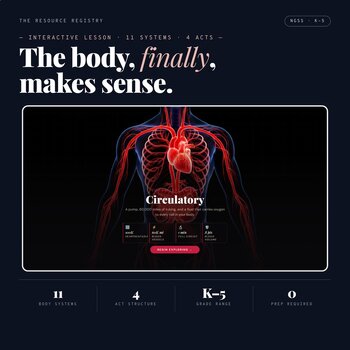
Teaching the human body systems: a no-prep interactive lesson (K–5)
Kids don't struggle with the body because it's complicated — they struggle because it's taught as eleven disconnected worksheets instead of one system that works together.
-
 Read →Assessment · K–6 · July 10, 2026
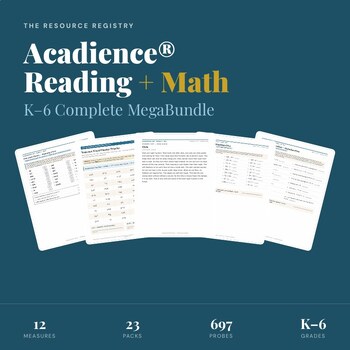
Acadience benchmark practice that doesn't feel like test prep (K–6)
Acadience flags who's at risk. It doesn't tell you what to do on Wednesday. How to practice the underlying skills without turning your room into a testing center.
-
 Read →Reading · ELA · July 3, 2026
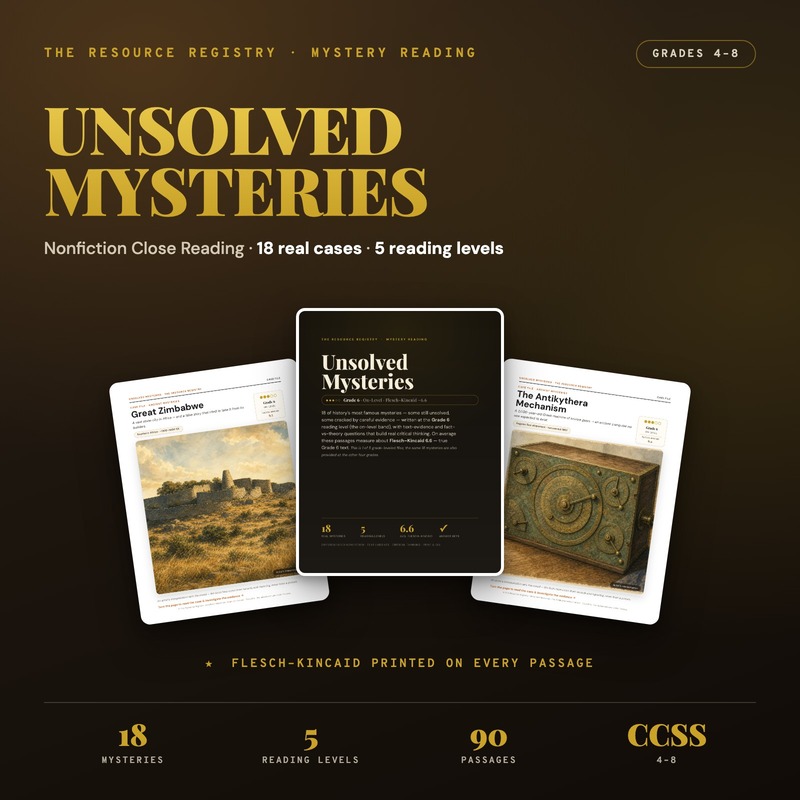
High-interest reading passages reluctant readers actually finish (Grades 4–8)
Reluctant readers don't need easier text — they need text worth finishing. How real unsolved mysteries make close reading and differentiation work in Grades 4–8.
-
 Read →Reading · ELA · June 26, 2026
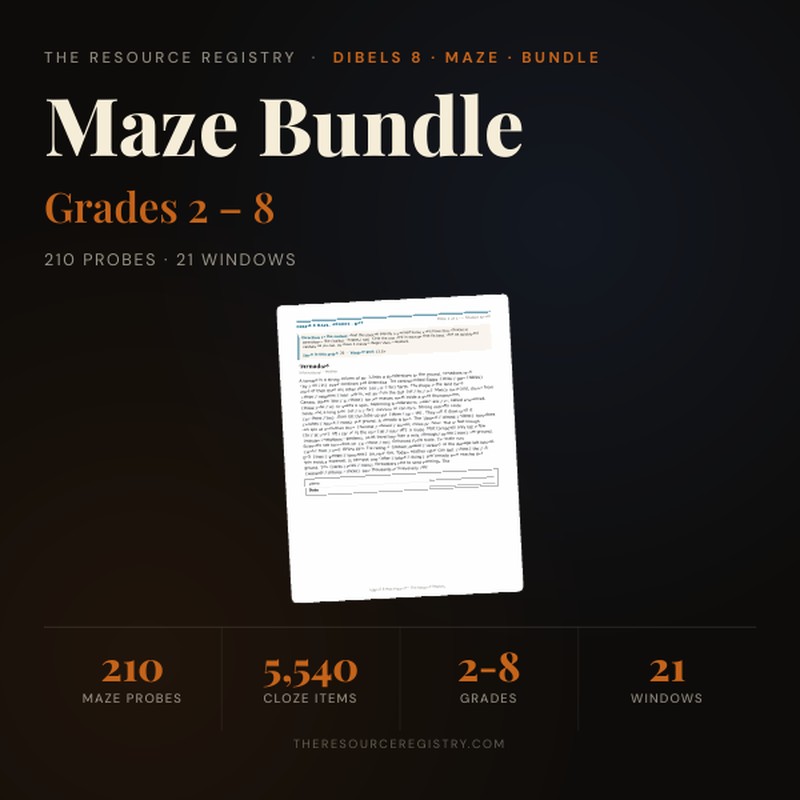
What is the DIBELS 8 Maze test? A teacher's guide (and how to practice it)
Most students who score low on Maze aren't weak comprehenders — they've just never seen the format. How the subtest is scored, why kids freeze, and how to practice it.
-
 Read →Reading · Intervention · June 19, 2026
Reading fluency intervention for middle school (Grades 6–8)
Fluency support usually stops after elementary — right when struggling middle schoolers still need it. How to run Grades 6–8 fluency intervention without babyish materials.
-
 Read →Reading · Social Studies · June 12, 2026
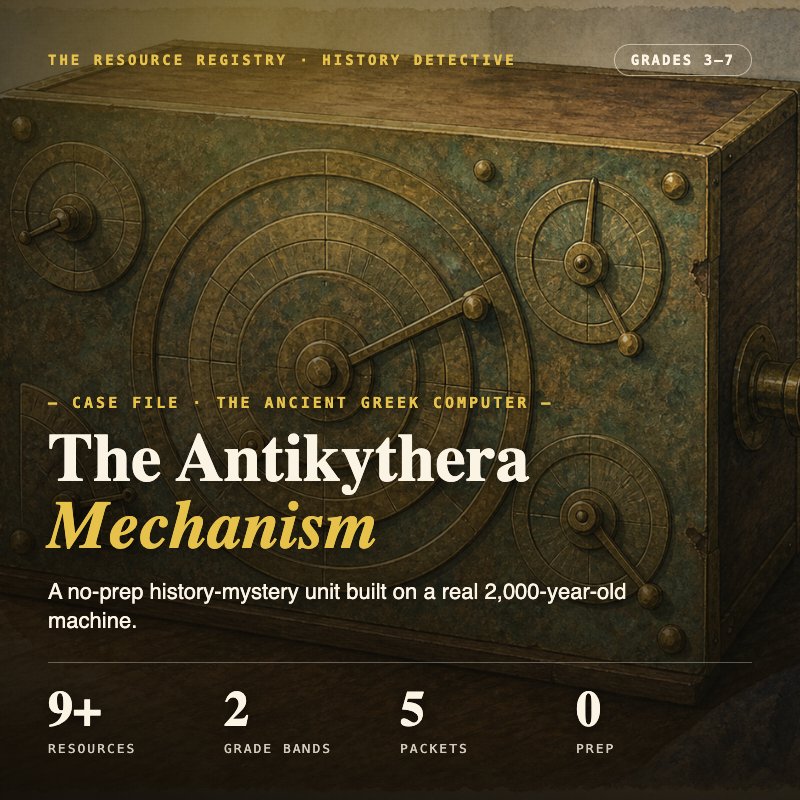
History-mystery escape rooms: close reading Grades 3–7 actually want to do
Print-and-go history escape rooms turn close reading and evidence analysis into a puzzle students beg to finish. How to run them — no locks, no prep.
-
 Read →Reading · Routines · June 5, 2026
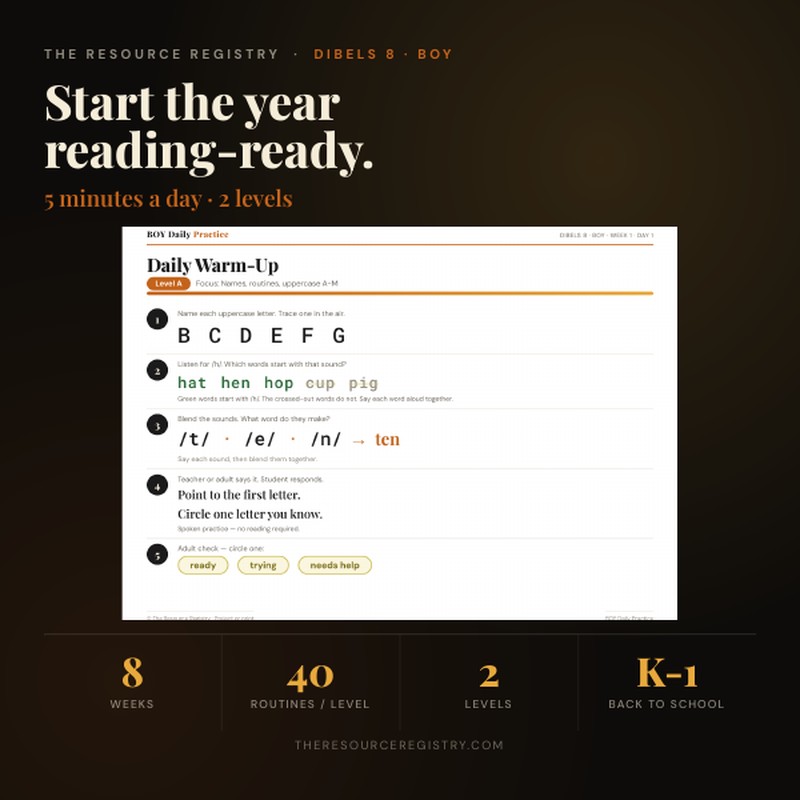
5-minute daily reading warm-ups that build DIBELS 8 skills (K–1)
A short daily routine beats a long weekly one. How five focused minutes builds the letter, sound, and decoding skills DIBELS 8 measures — without a test-prep vibe.
-
 Read →Science · K–5 · May 29, 2026
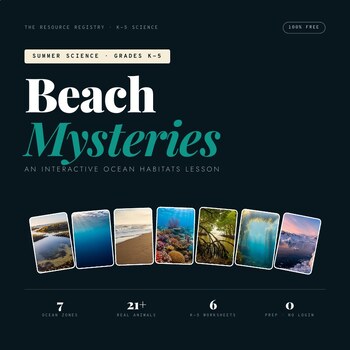
Teaching ocean habitats: a no-prep interactive lesson for K–5
How to teach ocean habitats to K–5 with a browser-based interactive lesson and print-and-go worksheets — no login, no prep, works on any whiteboard.
-
 Read →Science · STEM · May 22, 2026
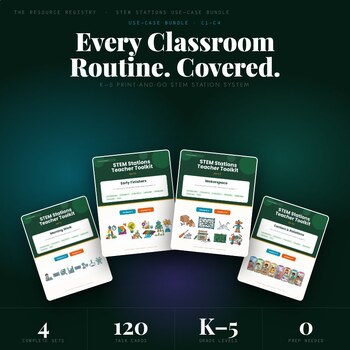
Low-prep STEM stations that actually work in a K–5 classroom
Most STEM centers die for one reason: they take longer to prep than to run. The fix isn't more materials — it's stations kids can start without you.
-
 Read →Phonics · ELA · May 15, 2026
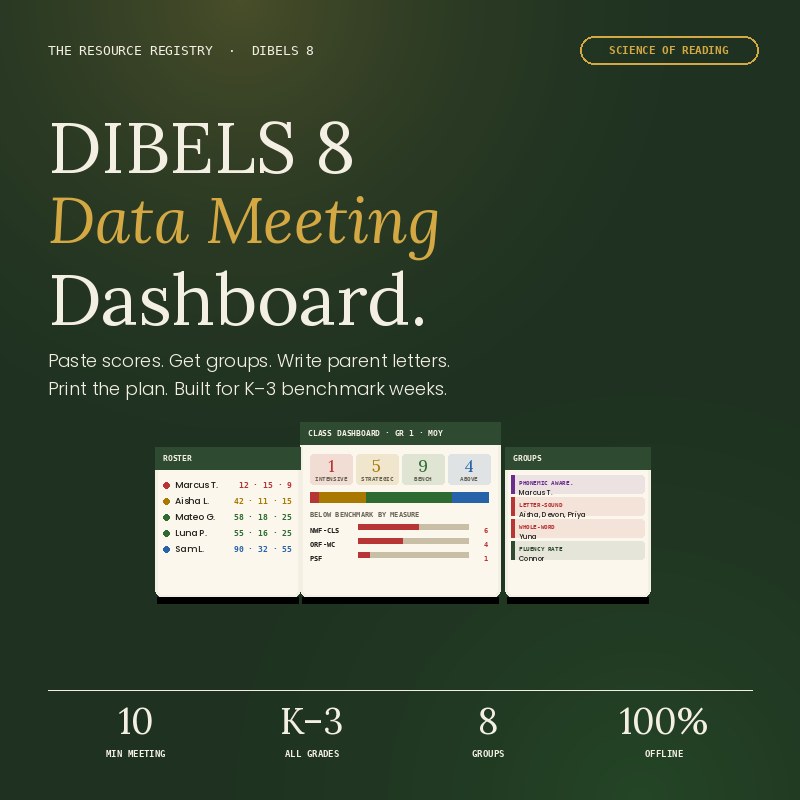
DIBELS 8 data meetings without the spreadsheet spiral
The bottleneck after a benchmark window isn't the data — it's turning the data into a plan. A 10-minute workflow that gets you from scores to small groups, next moves, and a printable artifact.
-
 Read →Phonics · ELA · May 13, 2026
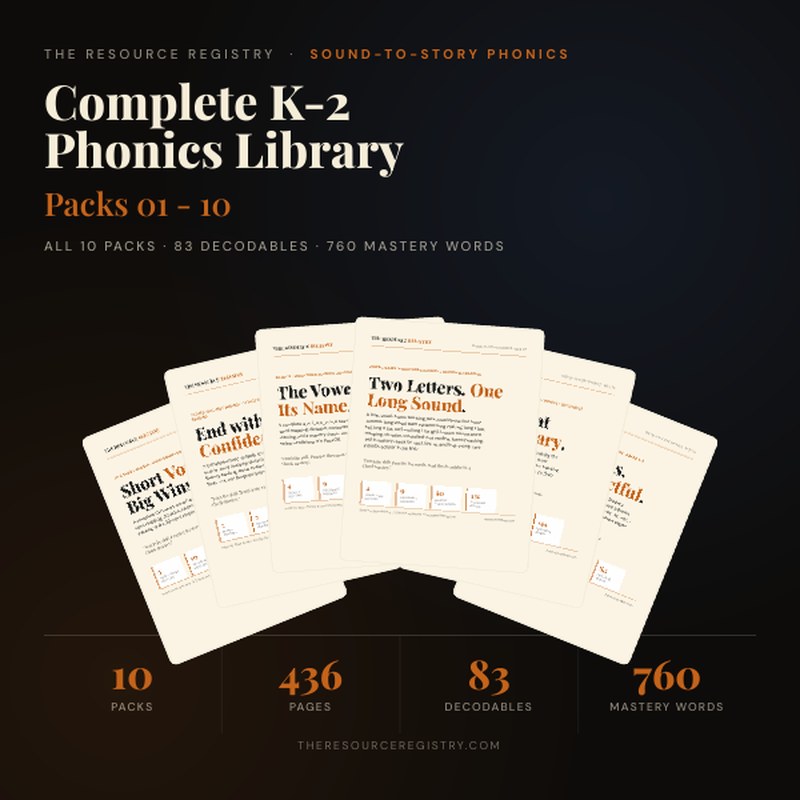
Why most phonics passages break their own rules (and what we did differently)
A 'decodable' passage that contains untaught patterns isn't decodable. Here's why scope-and-sequence matters in phonics.
-
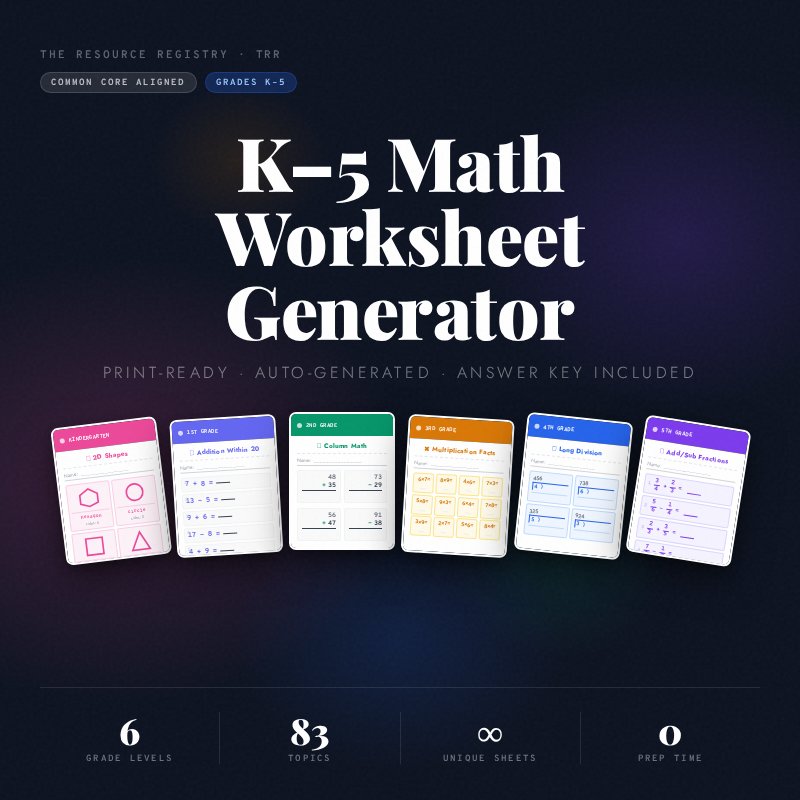 Read →Math · K–5 · May 9, 2026
Stop hunting for math worksheets every Sunday: the case for a generator
Why pre-made PDF math worksheets break the moment you try to differentiate or reuse them — and what to do instead.
-
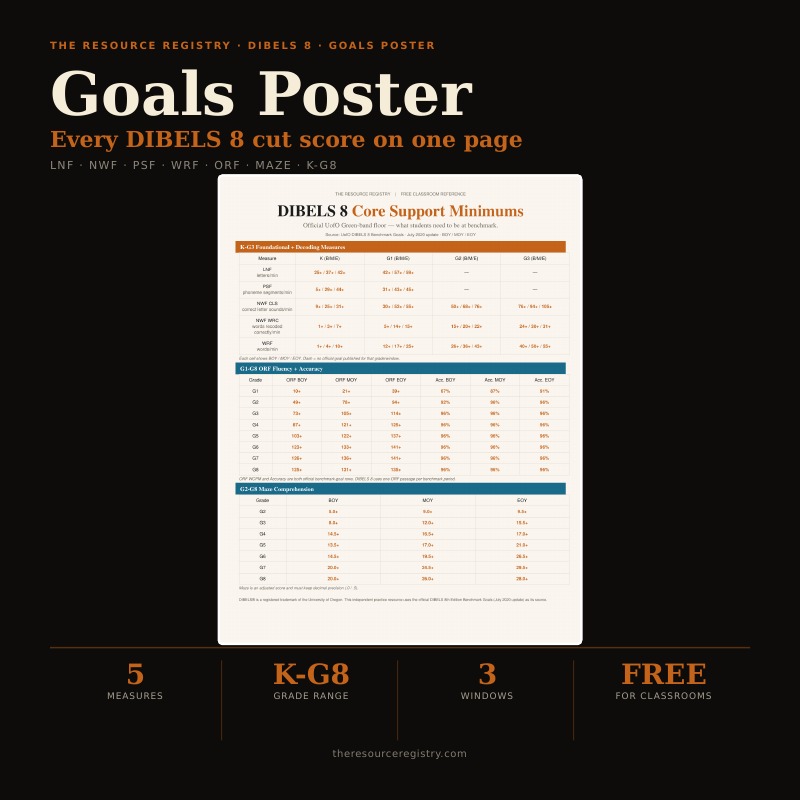 Read →Phonics · ELA · May 4, 2026
DIBELS 8 practice between benchmark windows: what actually helps
DIBELS told you what to worry about. Here's how to practice between windows in a way that transfers to real reading — without turning your classroom into a testing center.
-
 Read →Routines · May 1, 2026
Summer slide for K-2: what to send home that actually gets used
A short guide to summer learning packets parents will actually open — five-minute routines, not fifty-page workbooks.
-
 Read →Phonics · Apr 24, 2026
Why decodable readers belong in your phonics rotation
A short case for trading guess-the-word texts for the boring-but-effective kind, with a few favorite series we keep recommending.
-
 Read →Phonics, ELA · Apr 10, 2026
New Free Phonics Worksheet Generators for K–2: Blends, Digraphs, Long Vowels, and R-Controlled Vowels
We just released three new free phonics generators — each one covers a different skill and creates printable worksheets right in your browser.
-
 Read →Teacher & Parents · Apr 8, 2026
Classroom Creators Online Is Here: Free Name Tags, Labels, and Certificates in Minutes
If you've ever spent a Sunday evening hunched over your laptop, squinting at a spreadsheet trying to line up name tags just right — this one's for you.
-
 Read →Grade Prek - Grade 2 · Apr 7, 2026
How to Help Little Kids Build Vocabulary: 7 Simple Strategies That Actually Work
Early vocabulary is one of the strongest predictors of reading success. Here are practical, research-backed strategies for parents and teachers.
-
 Read →PreK – Grade 2 · Apr 6, 2026
Why Handwriting Still Matters — And a Free Tool to Make Practice Effortless
If you teach K-2, you already know: handwriting isn't just about neat letters on a page. It's one of the most foundational skills children develop.
-
 Read →PreK – Kindergarten · Apr 6, 2026
Sight Words: What They Are, Why They Matter, and How to Teach Them Without Losing Your Mind
If you've ever watched a child try to sound out the word "the" and end up with "tuh-heh," you already know why sight words matter.
-
 Read →PreK – Kindergarten · Apr 6, 2026
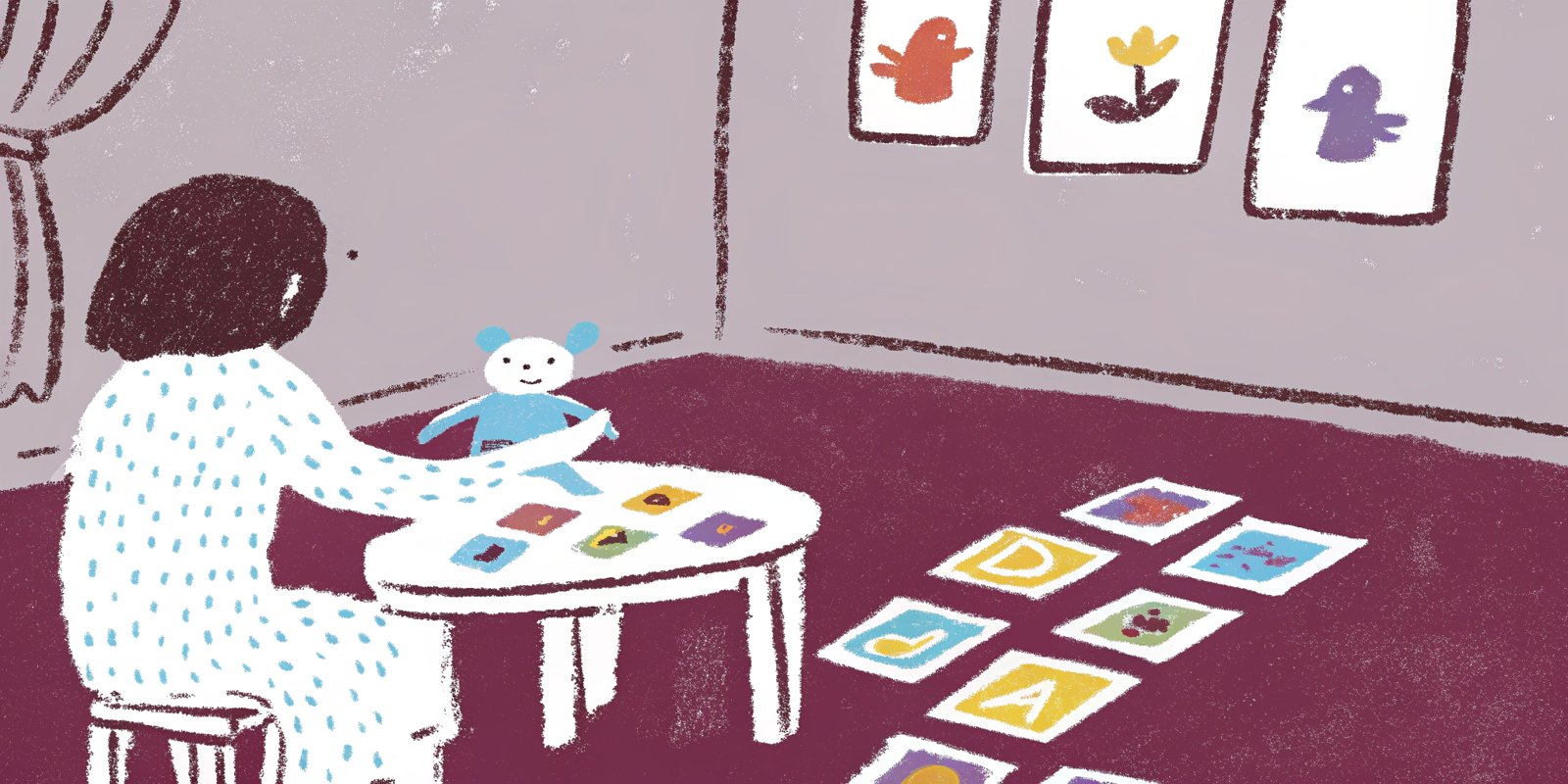
Why Phonics Still Matters (And How to Make It Less Painful for Everyone)
Let's talk about phonics. Not the debate — the daily reality of actually teaching it.
-
 Read →Math · Grades K-2 · Apr 5, 2026
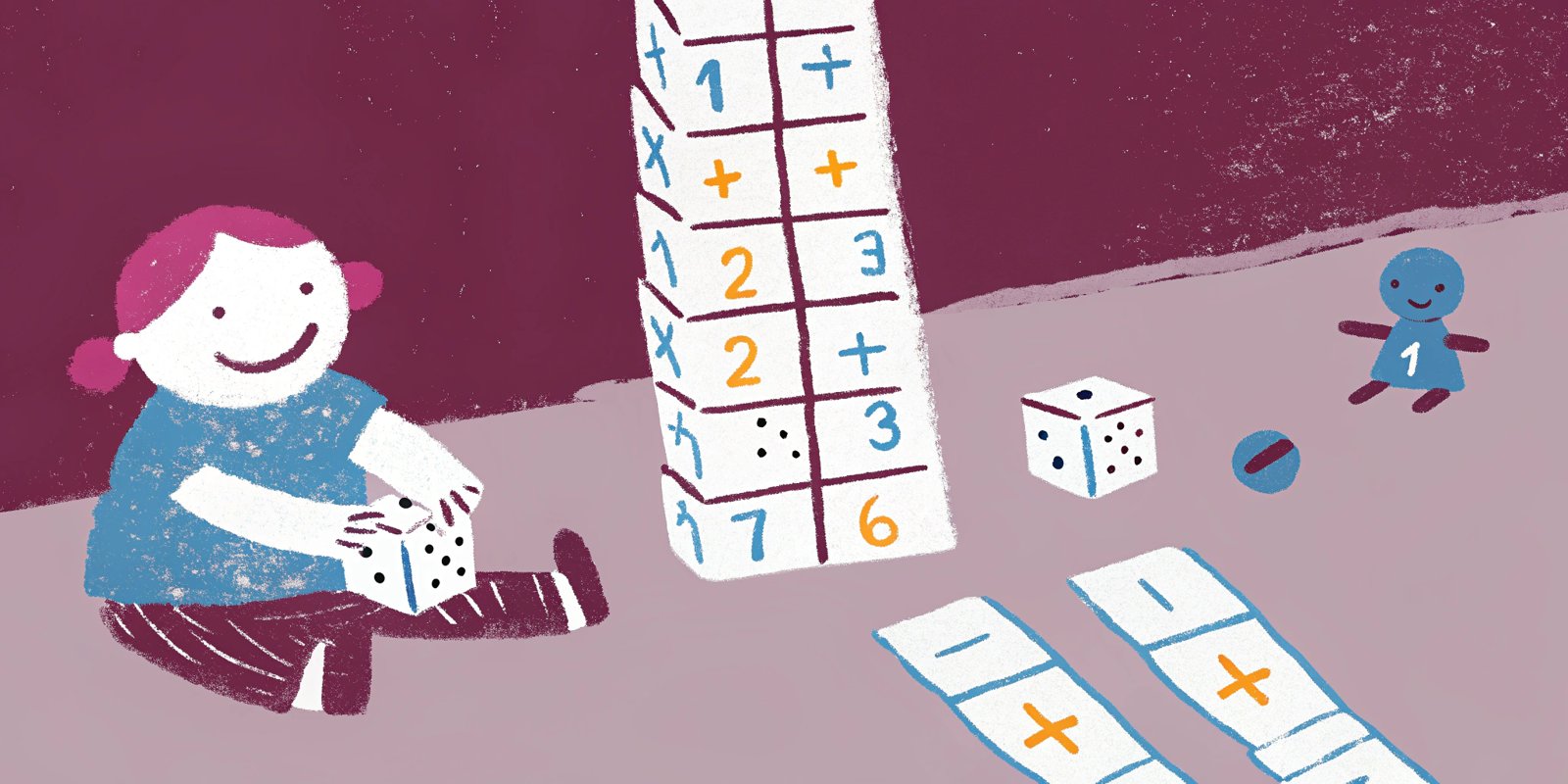
10 Fun Math Games for Kindergarten (That Actually Feel Like Play)
Here's the truth about teaching maths to five-year-olds: if it feels like work, you've already lost them. Ten games that work.
-
 Read →Reading & Literacy · Apr 5, 2026
Teacher-Approved Reading Apps for K-5 Students
Discover free and low-cost reading apps recommended by K-5 teachers. Covers phonics, fluency, comprehension, and motivation.
-
 Read →Speech Therapy · ACC · Apr 5, 2026
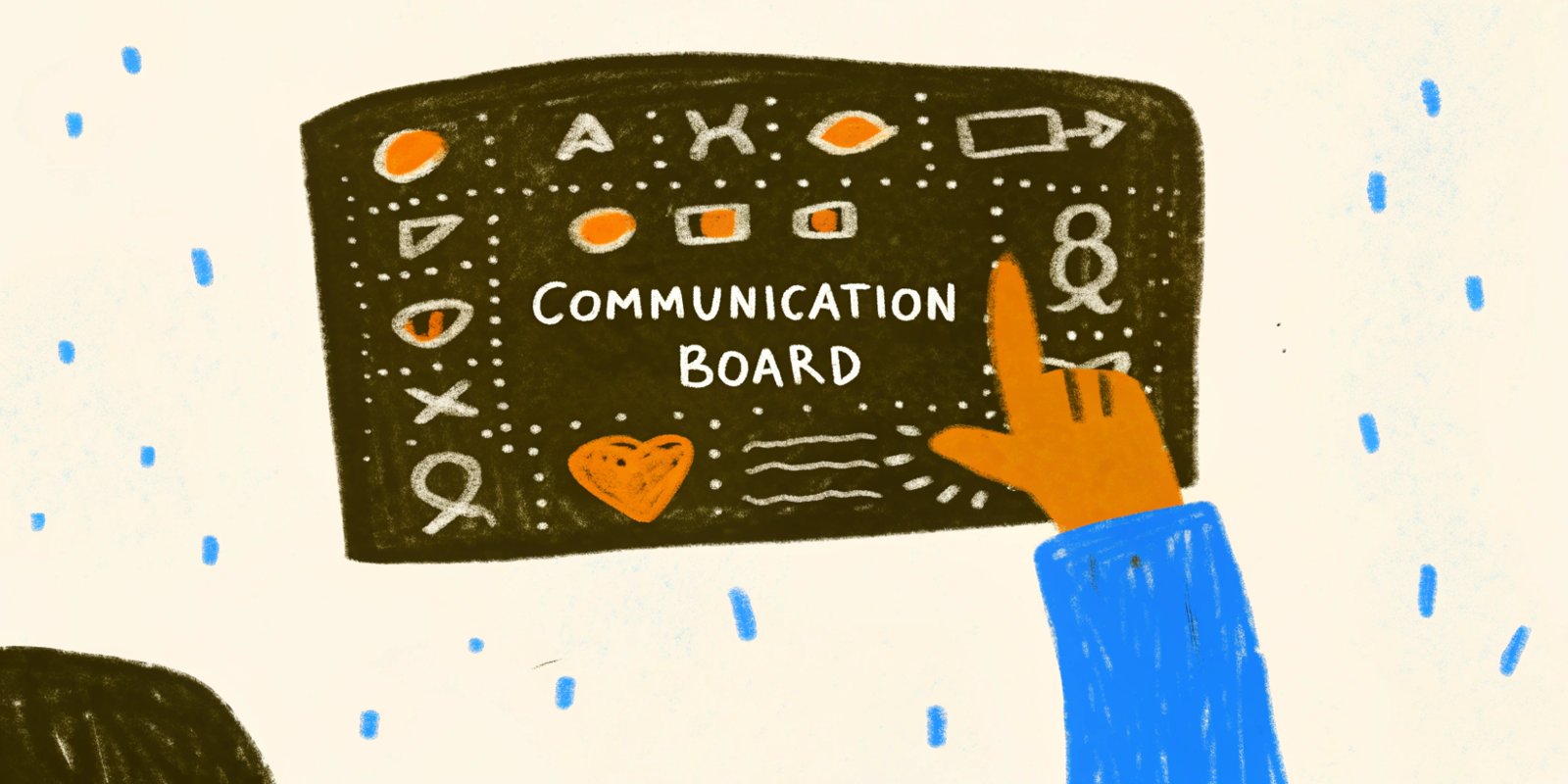
Communication Boards: What They Are, Why They Work, and How to Get Started
You've probably seen them pinned to lanyards, stuck to tables, or tucked inside book bags — but are you using them effectively?
-
 Read →Math Resources · Apr 5, 2026
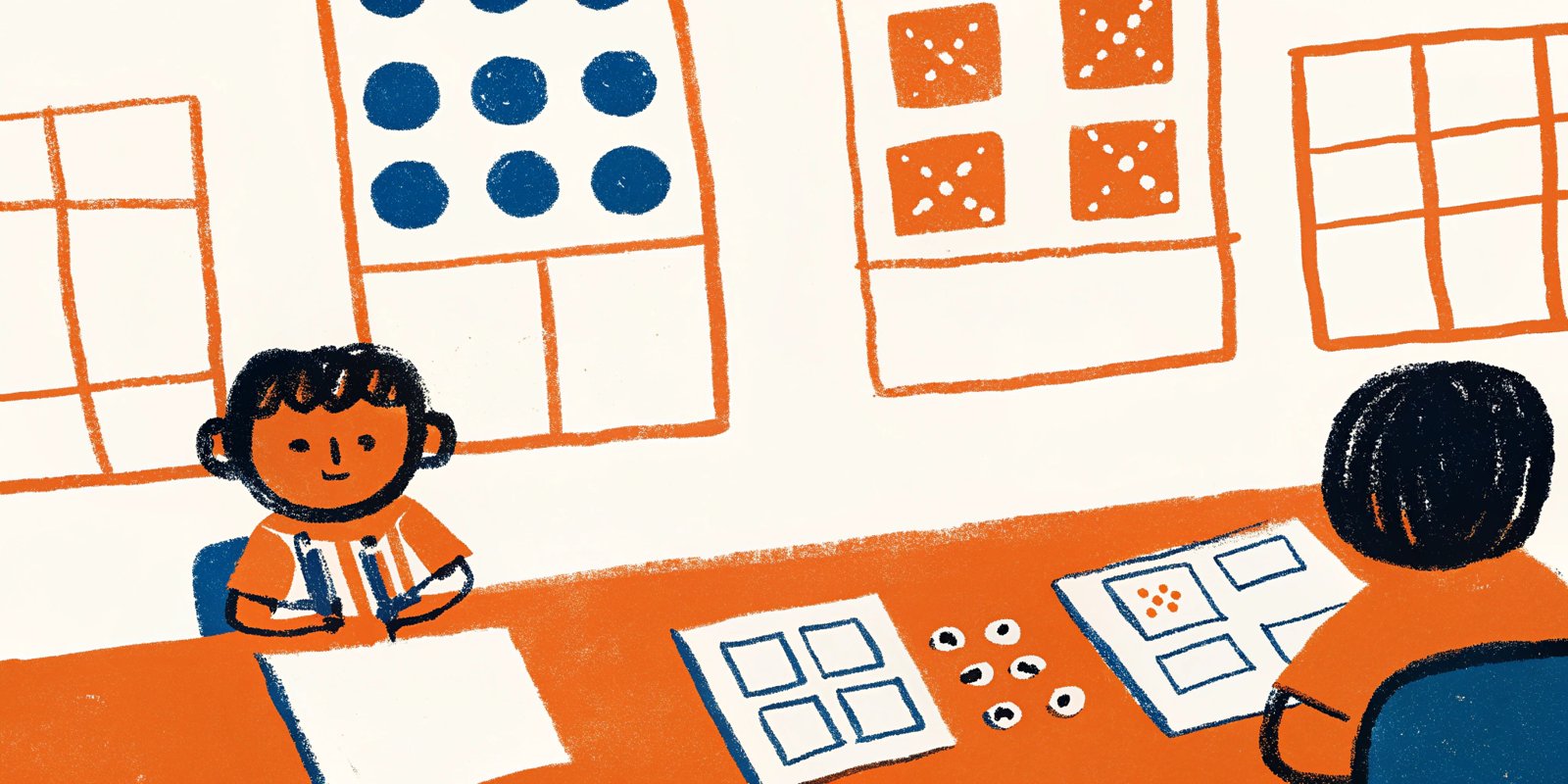
Best Free Math Resources for Elementary Students
A curated guide to the best free math resources for grades K-5. Includes interactive games, visual tools, and printables.
-
 Read →For Parents · Apr 5, 2026
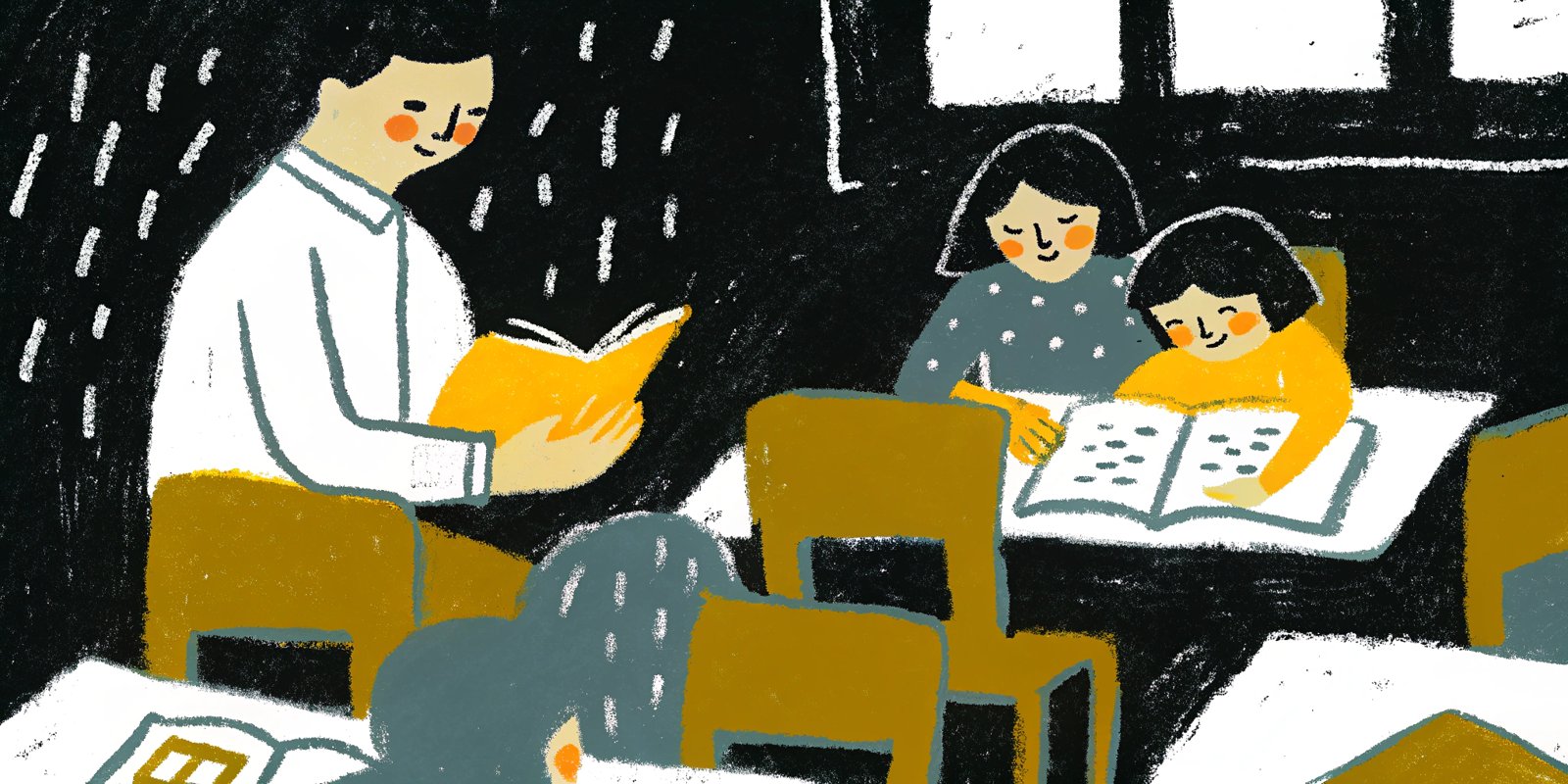
How Parents Can Support Classroom Learning at Home
Practical, evidence-based strategies for parents who want to reinforce classroom learning at home — without turning the kitchen into a classroom.
-
 Read →Teaching Tools · Apr 5, 2026
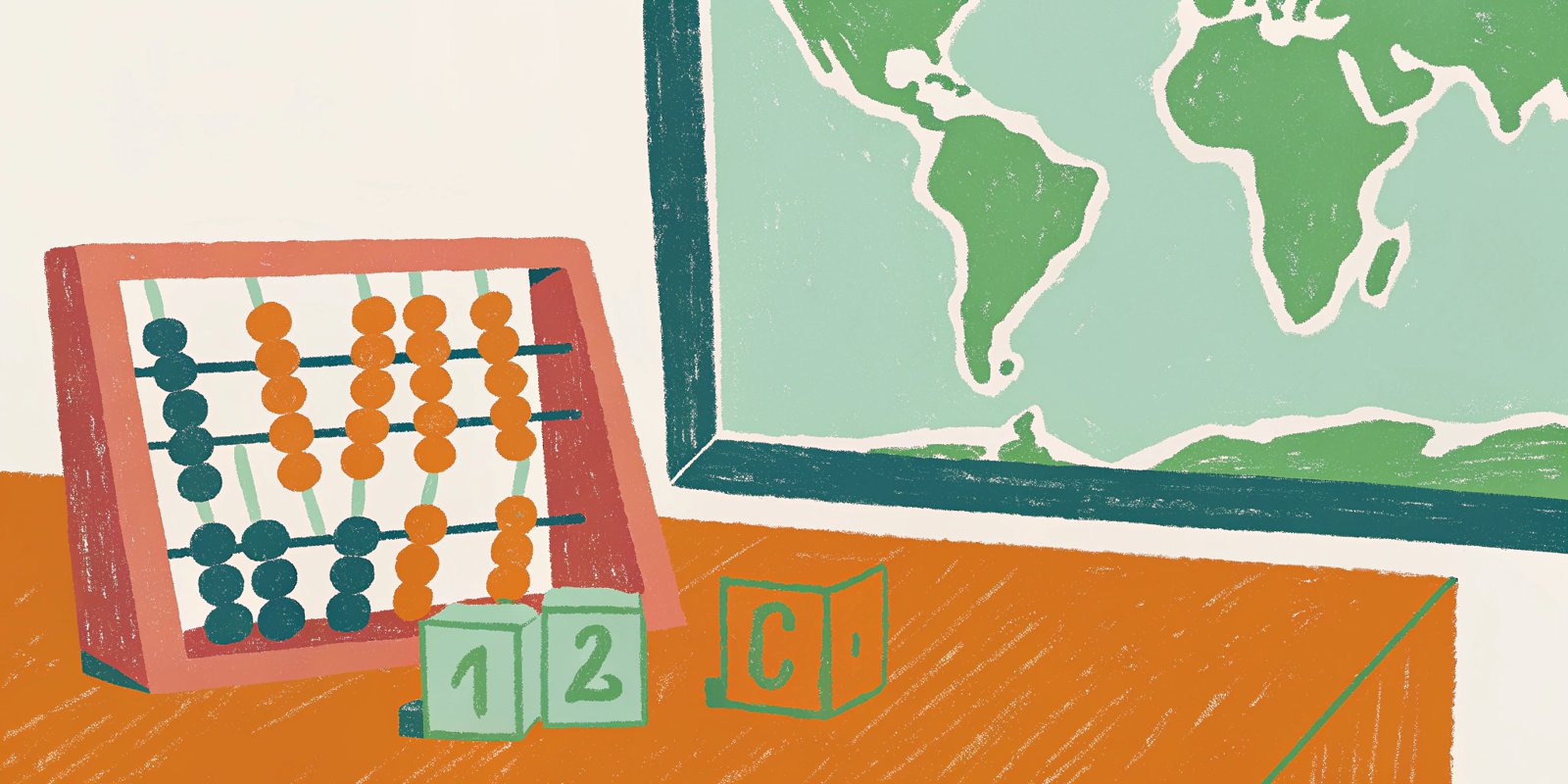
10 Free Educational Tools Every Teacher Should Know in 2026
Discover the best free educational tools for K-12 teachers in 2026. From interactive whiteboards to assessment tools.