How to Build Vocabulary in Little Kids: 7 Research-Backed Strategies
Practical, research-backed strategies to build vocabulary in PreK–2. The right kind of word exposure beats flashcards every time.
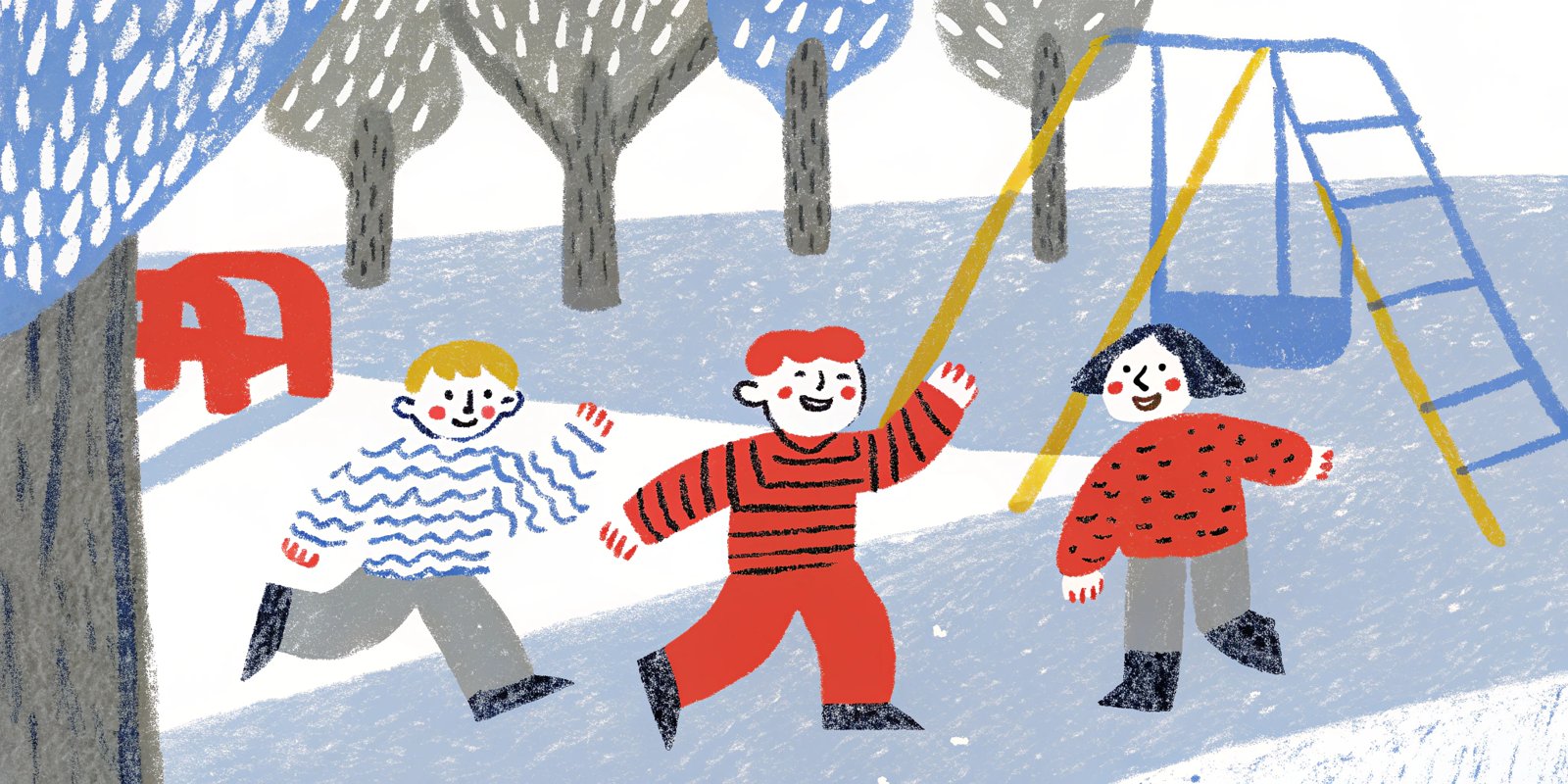
Young children are word sponges. Between the ages of three and six, kids can absorb new vocabulary at an astonishing pace — but only if they get the right kind of exposure. Research consistently shows that a strong vocabulary in preschool and kindergarten sets the foundation for reading comprehension, writing, and even math reasoning later on.
The good news? You don't need expensive programs or hours of formal instruction. Whether you're a PreK teacher looking for fresh classroom ideas or a parent wanting to make the most of everyday moments, these seven strategies will help the little learners in your life become confident, curious word-builders.
Children don't learn vocabulary by being told. They learn it by being immersed. Five new words a day, used in context, beats fifty on a flashcard list every time.
1. Talk — A Lot — And Use Rich Language
It sounds almost too simple, but everyday conversation is the single most powerful vocabulary-building tool available. Narrate what you're doing as you cook dinner, walk through the grocery store, or get dressed in the morning. Instead of saying "hand me that thing," try "Could you pass me the wooden spatula?" Swapping in vivid, specific words during natural conversation exposes children to new language without any pressure.
The key is variety. Children need to encounter a new word roughly ten times in meaningful contexts before they truly own it, so weave new words into different situations throughout the day.
2. Read Aloud — And Go Beyond the Story
Reading together remains one of the most effective vocabulary boosters for young children. But don't just read the words on the page — pause to explore them. When you come across an unfamiliar word, point to the illustration, give a quick kid-friendly definition, and use the word in a new sentence.
Choose books that stretch slightly beyond your child's current level. Picture books with rich, descriptive language give kids a chance to hear words they wouldn't encounter in everyday speech, and the illustrations provide built-in context clues.
3. Play Word Games Together
Games turn learning into something kids actually want to do. Try a category game where you pick a topic — animals, foods, things that are red — and take turns naming as many words as you can. This teaches children how words relate to each other and builds those all-important mental word networks.
Other favorites include "I Spy" with descriptive clues ("I spy something rough and rectangular"), acting out vocabulary words charades-style, or going on a real-world word hunt where you pick a word like "smooth" or "enormous" and look for examples together on a walk.
4. Make It Hands-On and Multisensory
Little kids learn best when they can see, touch, and experience words — not just hear them. If you're teaching the word "texture," let them feel sandpaper, silk, and bark. If you're working on action words, get moving: stomp, tiptoe, gallop, and spin. The more senses involved, the stickier the learning.
Arts and crafts, sensory bins, and cooking projects are all natural vocabulary goldmines. A simple baking activity can introduce words like "measure," "pour," "sprinkle," "dough," and "ingredients" — all in a single session.
5. Repeat, Revisit, and Reinforce
One exposure is almost never enough. Children need to meet new words again and again across different days and contexts. After reading a book that introduced the word "enormous," use it at dinner ("That's an enormous pile of peas!"), point it out on a walk ("Look at that enormous truck!"), and revisit it during play.
Worksheets and printable activities can be surprisingly effective reinforcement tools here — especially when they pair words with pictures and give kids a chance to practice independently. The key is variety: matching words to definitions one day, using context clues the next, sorting words into categories the day after that. When kids encounter the same word across different activity types, it sticks.
If you're looking for a no-cost way to get started, the Free Vocabulary Building Worksheet Generator we have is a great place to begin. It's an interactive tool designed for PreK and Kindergarten that generates 8 different printable activities — including matching, synonyms, antonyms, context clues, and more — from a bank of 16 Kindergarten-level words. Just open the file in your browser, pick an activity, and print. No internet needed after download, no prep, no accounts.
If your students are ready for more (or you teach across multiple grade levels), the Premium Vocabulary Building Generator expands to 364 words across Kindergarten, 1st Grade, and 2nd Grade — with up to 25 pre-organized word sets per grade. That's enough for a full school year of weekly vocabulary practice without repeating a single word. It also includes a built-in answer key toggle for self-checking or quick teacher review, and a grade-level selector so you can differentiate instantly. One file, unlimited printable worksheets, all 8 activity types.
6. Encourage Kids to Use New Words
There's a big difference between recognizing a word and actually using it. Gently encourage children to try out new vocabulary in their own sentences. After teaching the word "frustrated," ask in practice: "Did anything make you feel frustrated today?" Celebrate when they use a new word correctly — that positive reinforcement goes a long way.
In the classroom, word walls and vocabulary jars give kids visual reminders to reach for new language. At home, something as simple as a "word of the day" at breakfast can create a fun family ritual around language learning.
7. Be Patient and Keep It Joyful
Vocabulary growth is a long game. Some words will click immediately; others will take weeks of repeated exposure. That's completely normal. The most important thing is to keep the experience positive. If learning new words feels like a chore, kids will disengage. If it feels like play, discovery, and connection, they'll develop a lifelong love of language.
Every conversation, every story, every silly word game is adding to your child's word bank — even when it doesn't feel like it.
Building Vocabulary, One Word at a Time
The strategies above work best when they're woven into daily life rather than treated as a separate "lesson." Talk with your kids, read with them, play with them, and give them tools to practice on their own. Over time, those small daily moments add up to a rich, confident vocabulary that will serve them well into elementary school and beyond.
Want to put these strategies into practice right away? Start with the Free Vocabulary Building Generator to try out all 8 activity types with your Kindergarten learners. When you're ready for a full year of structured vocabulary practice across K-2, the Premium Version gives you 364 words, organized word sets, and built-in answer keys — all in a single file that works forever.