Why Phonics Still Matters in K–2 (And How to Teach It Without Burning Out)
The Science of Reading settled the phonics debate. The challenge now isn't whether — it's how to teach it daily without burning out.
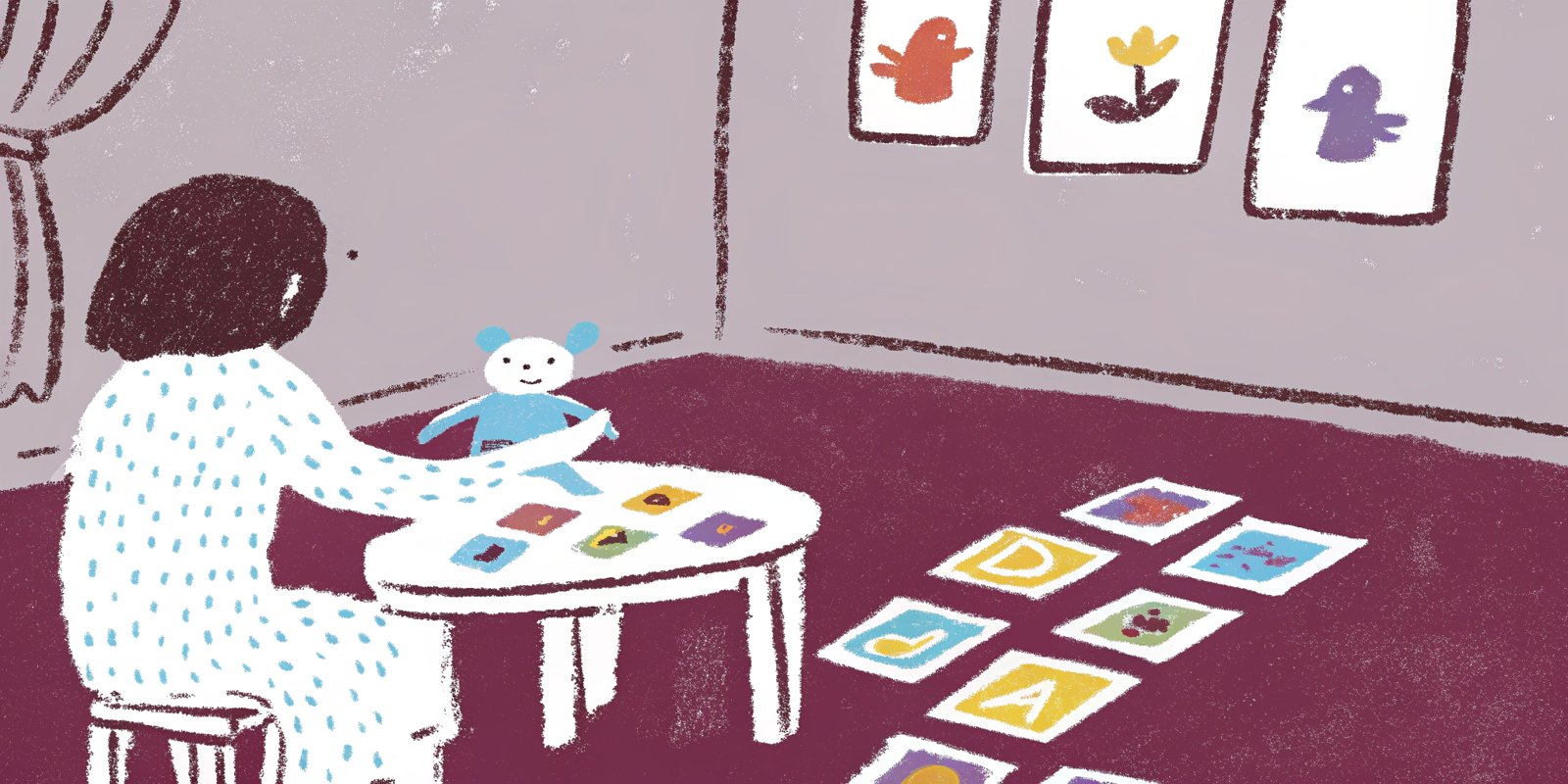
You know the one. It's 9:15am. You've got a carpet full of wriggly five-year-olds. Half of them are still working on the difference between 'b' and 'd'. Two of them are ready for digraphs. One is eating their shoe.
Phonics isn't a debate anymore. It's a logistics problem. The teachers who do it well aren't the ones with the best curriculum — they're the ones with the simplest weekly routine.
And somehow, you need to teach them all to read.
Phonics is the foundation — nobody's arguing with that anymore. The Science of Reading has firmly settled that question. But knowing phonics matters and having the time and resources to teach it well every single day? Those are two very different things.
This post is for the teachers, TAs, and parents in the trenches. The ones who believe in phonics instruction but are tired of spending their Sunday evenings hunting for the right worksheet.
A Quick Reminder: Why Phonics Works
If you're already sold on phonics, feel free to skip ahead. But if you've got a colleague on the fence or a parent asking questions, here's the short version.
Phonics teaches children the relationship between letters and sounds. Instead of memorising whole words by sight (which works for some words but falls apart quickly), children learn to decode — to look at a word, break it into its sounds, and blend those sounds together.
It's like giving a child the key to a code. Once they've cracked it, they can unlock words they've never seen before. That's the magic of phonics — it doesn't just help children read the words you've taught them. It helps them read words you haven't.
Research consistently shows that systematic phonics instruction — teaching sounds in a clear, logical sequence — is one of the most effective ways to teach reading, particularly for children who find it difficult. It's not the only piece of the puzzle, but it's a big one.
The Challenge: Keeping It Fresh From K to 2
Here's where it gets tricky.
Phonics isn't a one-term thing. From Kindergarten through to Year 2, children are building on their phonics knowledge every week. They move from single letter sounds to digraphs, from CVC words to blends, from short vowels to long vowels and beyond.
That's a lot of ground to cover. And if you're anything like most teachers, you've probably hit at least a few of these walls:
"I've used the same worksheets three times already." Children notice. And when they've seen it before, engagement drops. You need variety — but who has time to make fresh resources every week?
"Half my class needs something different." One group is still working on initial sounds while another is blending confidently. Differentiation is essential, but creating multiple versions of everything is exhausting.
"I just need something I can print and go." Not every phonics activity needs to be a multi-sensory, craft-based, singing-and-dancing event. Sometimes you just need a solid worksheet for morning work, homework, a cover lesson, or independent practice — and you need it now.
"The free stuff online is hit and miss." You've been there. Downloading something that looked great in the preview, only to find it's the wrong font, the wrong level, or covered in distracting clip art.
Sound familiar? You're not alone.
What Good Phonics Practice Actually Looks Like
Before we get to the resource (yes, there's a free one coming — patience), let's talk about what makes phonics practice effective. Because not all worksheets are created equal.
It should match where the child is. A worksheet on digraphs is useless for a child who's still learning their letter sounds. Good phonics practice meets the child at their level and builds from there.
It should be clear and uncluttered. Young children and struggling readers don't need busy pages with six different fonts and cartoon characters everywhere. They need clean layouts where the focus is on the sounds and the words.
It should be varied. If every worksheet is "circle the picture that starts with this sound," children disengage. Mixing up the activities — writing, matching, sorting, identifying — keeps practice fresh and reinforces skills in different ways.
It should be easy to prep. This one's for you. If a resource takes longer to prepare than it does for the child to complete it, something's gone wrong. Print and go is not lazy — it's smart.
Introducing: The Free Phonics Worksheets Generator
This is a tool we built because we got tired of the same problem every teacher faces — needing fresh, well-designed phonics worksheets and not having enough hours in the day to make them.
The Phonics Worksheets Generator (K–2) does exactly what it says on the tin. It generates unlimited phonics worksheets that you can print and use straight away. Not ten worksheets. Not fifty. Unlimited.
Every time you use it, you get a fresh worksheet. That means:
No more recycling the same pages and hoping children don't notice
No more Sunday night prep marathons searching for the right resource
No more "that'll do" compromises when you can't find exactly what you need
Differentiation becomes easy — generate worksheets at different levels for different groups without extra effort
It covers the phonics skills children are working on from Kindergarten through to Year 2, so whether you've got a child just learning their letter sounds or one tackling vowel teams, there's something for them.
And it's completely free.
👉 Get the Phonics Worksheets Generator here
How to Get the Most Out of It
Here are a few ways teachers are using the generator:
Morning work. Print a fresh worksheet and have it on tables before the children arrive. Quick, focused, and a calm start to the day.
Homework. Send home a worksheet that reinforces whatever sound or pattern you've been working on that week. Parents appreciate having something clear and purposeful to support at home.
Early finishers. Keep a stack of printed worksheets in a tray. When a child finishes their work early, they grab one. Productive and independent — no extra input needed from you.
Small group intervention. Generate worksheets targeted at the specific sounds a group is working on. It's quick differentiation without the faff.
Cover lessons and supply teachers. Leave a set of worksheets with clear instructions. The lesson runs itself.
Phonics Is a Marathon, Not a Sprint
Teaching children to read is one of the most important things you'll ever do. It's also one of the most relentless. The sounds keep coming, the children keep needing practice, and the to-do list never seems to get shorter.
Tools like the Phonics Worksheets Generator won't replace your teaching — nothing can. But they can take one job off your plate so you can focus on the things that really matter: sitting with a child while they blend their first word, watching the moment it clicks, and knowing you helped make that happen.
👉 Download the free Phonics Worksheets Generator and take one thing off your list today.
Because you've got enough to do already.